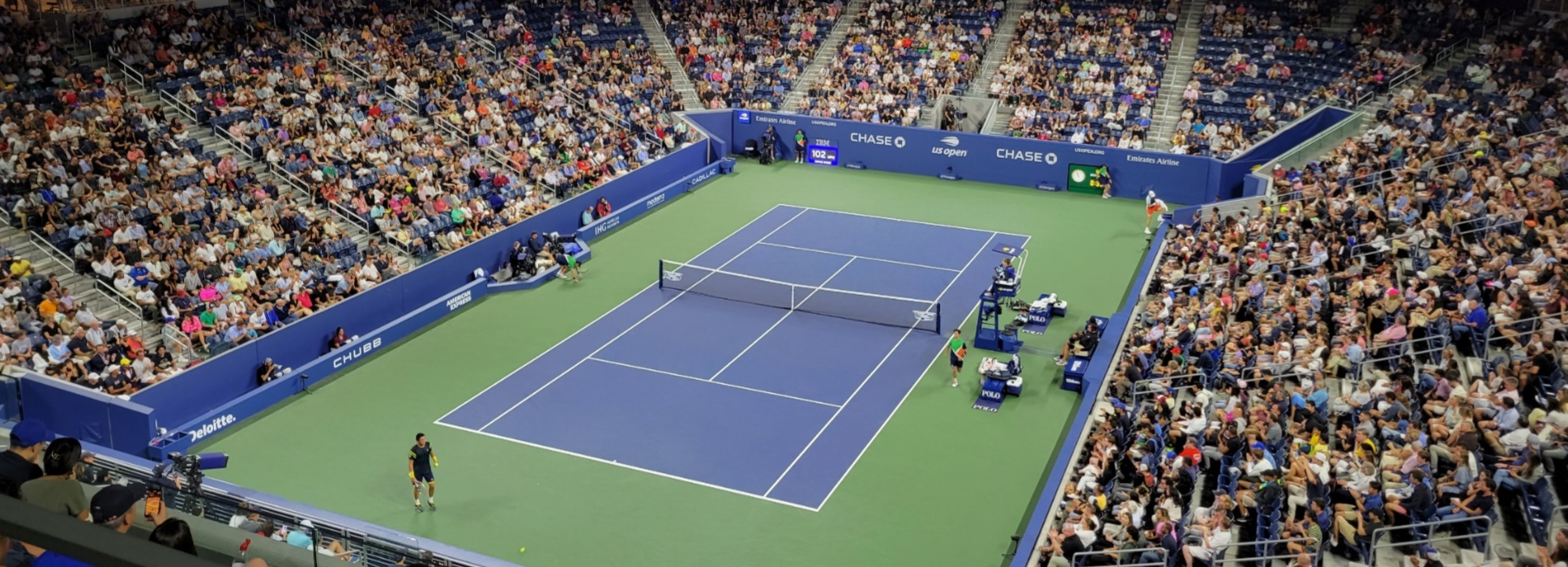
Taylor Fritz Tommy Paul 2026 Breakthrough
If you’re a fan of American men’s tennis, you’ve probably spent the last two seasons saying the same thing: “It’s coming… right?” Because for Taylor Fritz and Tommy Paul—both perched inside the world’s elite and yet still one tier below major glory—2026 isn’t just another season. It’s the season. The one where the window is open, but not forever; the one where belief must meet action; the one where talent must finally cash in.
Let’s start with the simplest truth: age matters. Fritz and Paul will both turn 29 during the 2026 season—an age that historically sits right on the boundary between “prime contender” and “their best chances are behind them.” Modern tennis has stretched athletic longevity, but majors and year-end No. 1 finishes are still overwhelmingly won by players 28 or younger. Djokovic’s late-career dominance was an anomaly. Federer’s longevity was supernatural. Nadal’s clay chapters were otherworldly. For most players, 29 is the “now or never” crossroad. That’s exactly why 2026 looms so large.


But unlike many players entering their late 20s, Fritz and Paul aren’t slipping—they’re rising. Fritz has been as high as No. 4 in the world and is already a Grand Slam finalist and 1000 Series winner, showing that he can navigate the two-week gauntlet when he’s physically fresh and mentally locked in. Paul reach No. 8 in June and is a former Grand Slam and 1000 Series semifinalist, a marker that separates true threats from pretenders.
Both have wins against Sinner. Both have beaten Alcaraz. Both have shown that their highest level isn’t just “good”—it’s Slam-winning good. And that’s where the 2026 urgency kicks in: they’re close enough to taste it, but not close enough to delay.
Fritz and Paul Poised for Major-Level Jumps
The second key angle is proximity—and this is the most encouraging part of the story. Fritz and Paul aren’t “dark horses” or “maybe someday” players anymore. They’re in the room. When Fritz’s serve is dialed in, he takes the racket out of his opponent’s hands. The one-minute service games, the laser-flat forehand winners, the fearless baseline patterns—when he’s rolling, he looks like a man designed for second weeks and big stadium nights. If he keeps improving his return of serve, sharpens the finishing touch at the net, and deploys the drop shot with more confidence, he becomes a fully complete threat. These are small jumps, not reinventions—exactly the kind of fine-tuning players make right before they break through.
Paul, meanwhile, is one of the most technically complete players on tour. He can absorb pace, redirect it, finish at the net, counterpunch, attack—he’s a Swiss Army Knife with elite athleticism. His win over Sinner in Rome, where he blew the Italian off the court in a 6–1 set, remains Exhibit A of the gear he has access to. The problem? That gear has flickered more than it has burned. And part of that inconsistency came down to health: Paul’s 2025 season was repeatedly disrupted by injuries, including withdrawals during the summer swing and a shutdown after the US Open. When he’s physically right, he’s a Top-5 level problem for anyone.

_01.jpg)
Injuries are the third, unspoken angle here. At 28 turning 29, physical setbacks become riskier. A small three-month injury at this age can erase an entire Slam opportunity. Both Fritz and Paul know that staying healthy is not a luxury anymore—it’s the backbone of a breakthrough season.
First Ball Forehand Match Point
2026 will not wait for Taylor Fritz or Tommy Paul. The door is open now. They’re both Top-5-caliber, both have Slam-level wins, and both have a gear that scares the best players in the world. The question is no longer whether they can. It’s whether they will—and whether they want it badly enough to turn proximity into a defining season.
Sources: ESPN, ATP Tour, Tennis.com