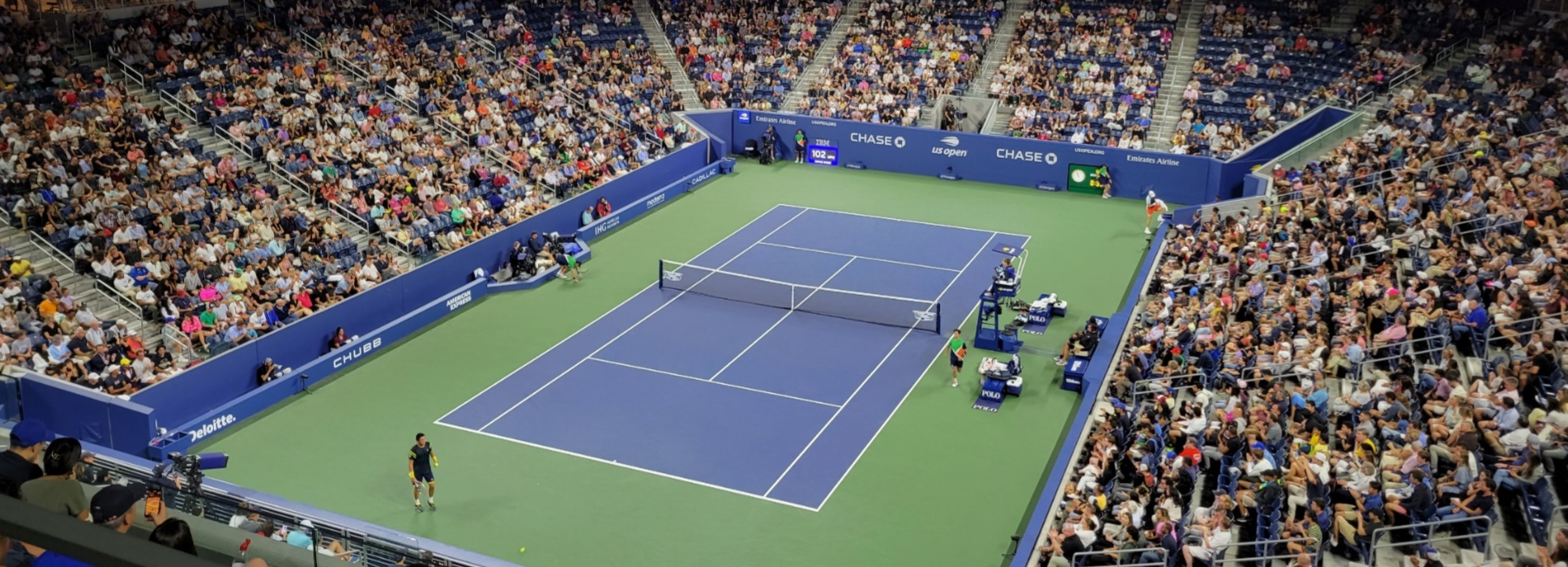
This is the stage where Grand Slams stop being about momentum and start being about belief. The Australian Open semifinals are never just matchups on a draw sheet. They are tests of identity, nerve, and ceiling. Every player left has earned their place. Not all of them will handle what comes next.
Let’s talk tennis.
Alcaraz vs Zverev: Talent vs the Question Mark
On paper, this is heavyweight tennis. In reality, it is a familiar story trying to write a new ending. Carlos Alcaraz brings too much to the table: speed, power, creativity, and the ability to raise his level when the moment demands it. He has shown repeatedly that pressure sharpens him rather than dulls him.
For Alexander Zverev, the question is not talent. It never has been. The question is timing. He has reached this stage often enough to know exactly what it asks of him, and historically, this is where things have slipped. Can he finally raise his level when it matters most?
Even if Zverev plays his best tennis, the follow-up question lingers. Is that best version enough to sustain itself for five sets against a player who thrives in chaos and transition? Alcaraz does not need perfection. He needs belief and rhythm, and once he finds it, the match tilts quickly. Zverev must not only start strong, he must finish stronger. That is a tall order.
Sinner vs Djokovic: The Window Is Narrow
Novak Djokovic arrives unusually fresh. A retirement and a walkover have given him the kind of physical runway that players his age rarely enjoy in the second week of a major. If rest over seven matches is the deciding factor in whether he can still summon peak form, then this is the opportunity.
But opportunity does not guarantee outcome. The concern comes from how Djokovic looked when truly tested. Being outplayed by Lorenzo Musetti raised real questions about his ability to control exchanges against elite shotmakers who can take time away from him.
Jannik Sinner represents exactly that threat, but with even more discipline and pace. This is not about Djokovic being diminished. Top five form is still extraordinary. This is about whether that level is enough against a player who has matched consistency with firepower. For Djokovic to win, he will need to dictate and find a way to make Sinner uncomfortable. If Sinner settles, this becomes a very tough task.

.jpg)
Sabalenka vs Svitolina: Experience Meets Force
This is a match many fans will love. Elina Svitolina is one of the great competitors of her era, forged in a time when Serena Williams still loomed over the sport. She understands power. She understands pressure. And she understands how to turn matches into battles of will.
Aryna Sabalenka, however, is operating from a place of authority. Her serve and first-strike tennis can overwhelm anyone, and she has matured into a champion who adjusts rather than panics. Svitolina will extend rallies, change pace, and force Sabalenka to hit extra balls. She will make this uncomfortable.
But discomfort does not always equal danger. Sabalenka’s ability to reassert herself when momentum wavers is what separates her now. This feels like a fight, not a flip.
Pegula vs Rybakina: Control vs Ceiling
This may be the most intriguing semifinal tactically. Jessica Pegula is steady, intelligent, and relentlessly solid. She does not beat herself, and when she mixes disciplined baseline play with timely net approaches, she can pull even the biggest hitters into uncomfortable patterns.
Elena Rybakina, though, plays with a ceiling few can reach. When her serve and groundstrokes align, the match can feel out of reach for anyone on the other side. This is not about whether Pegula can play well. She can. This is about whether Rybakina hits her top gear.
I picked Rybakina to win this tournament, and nothing in this matchup changes that view. Pegula can make this close. Rybakina can make it decisive.
First Ball Forehand Match Point
This is where narratives harden. Alcaraz and Sinner are pushing the sport forward. Djokovic and Zverev are confronting history. Sabalenka and Rybakina are defining power-era dominance, while Pegula and Svitolina test whether precision and resilience still have a path. The Australian Open always tells us who players are. This week, it tells us who they are becoming.
Source: Publicly available ATP/WTA reporting and season coverage.

.jpg)