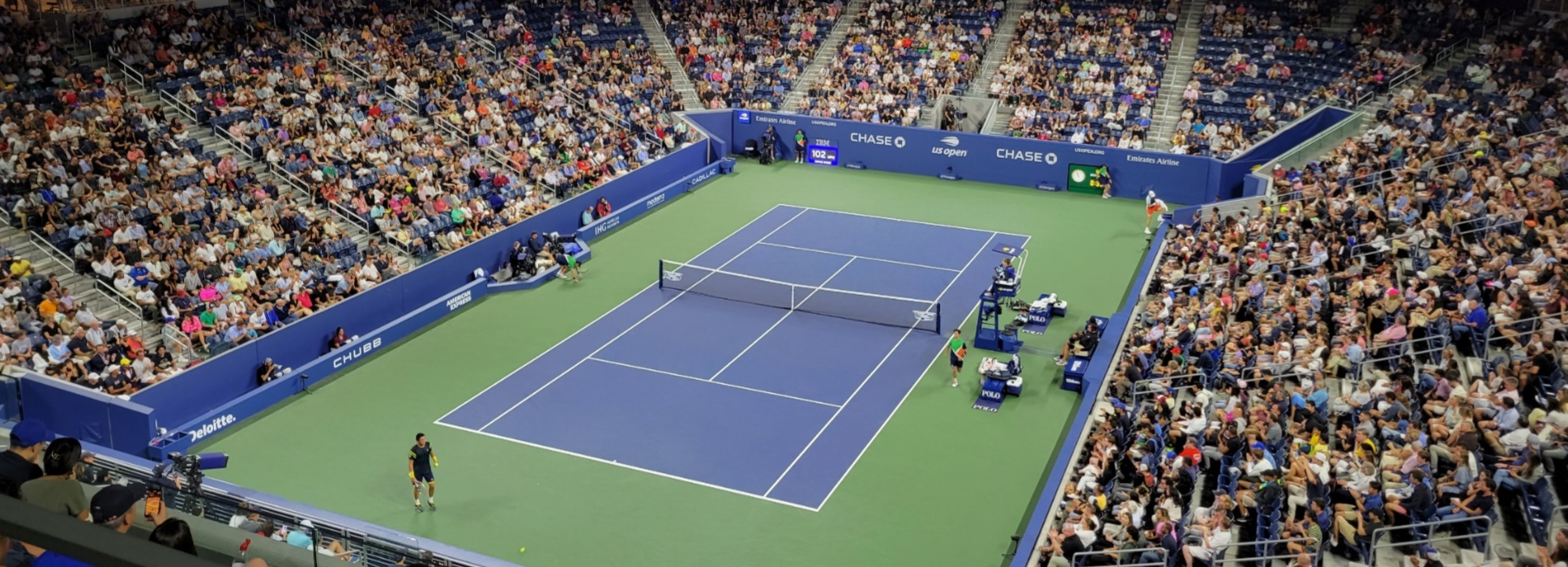
Ben Shelton lost to Learner Tien at Indian Wells, but the final score was not the real story. Shelton was clearly battling illness and looked physically drained throughout the match. At times he could barely catch his breath between points.
Yet what unfolded on court offered something far more valuable than a routine result. It became a live demonstration of problem solving, adaptation, and the realities of competing when you are far from your best.
Let’s talk tennis.


Dialing It Down Can Be a Winning Strategy
Most players in Shelton’s position would respond the same way. Redline everything. Go bigger on every ball. End points quickly before the body collapses.
Shelton did some of that, but he also made a fascinating adjustment. He dialed things down.
He used more slice backhands than usual. He slowed points down when necessary. When all that was available was a neutral ball back into the court, he accepted that and stayed in the rally. The slice itself was not particularly damaging, but it also was not punished.
That matters.
There is a powerful lesson here for many players. Intensity does not have to mean maximum speed on every swing. Sometimes the smartest adjustment is recognizing when to push and when to simply stay alive in the point. If Shelton can learn to toggle between those gears more intentionally, it would immediately add another dimension to his game.
Constant Problem Solving Wins Matches
Despite clearly struggling physically, Shelton still managed the match intelligently for long stretches.
He leaned heavily on his strengths. The serve. The forehand. The willingness to move forward and finish at the net.
He held serve throughout most of the match and conserved energy during return games. That was not accidental. It was strategic problem solving.
This is one of the biggest separators in tennis. Players who constantly evaluate what is working and what is not working give themselves a chance even on bad days. Shelton did not pretend he felt great. He adjusted around it.
That is a skill every player can develop.

.jpg)
A Weakness Revealed on the Backhand Side
If there was one area where Shelton struggled badly, it was the two handed backhand.
On a day when he needed stability from that wing, the shot became erratic. Balls sailed long. Timing broke down. He could not reliably keep the ball in play long enough to set up the forehand.
The slice helped stabilize things, but it also highlighted the underlying issue.
Shelton has two realistic development paths on that side. He can add more topspin and shape to the two hander so that it becomes a reliable rally ball. Or he can lean into a flatter strike similar to the way Jessica Pegula manages that wing with precision and control.
Either path works. The key is recognizing the weakness and committing to a plan to improve it.
Learner Tien Passed His Own Test
There is another side to this match that should not be overlooked.
It is not easy to play against an opponent who is visibly struggling physically. Players often lose focus in those situations. They relax too much, or they press too hard trying to finish quickly.
Tien handled the situation well overall. Even after gifting the second set away with several double faults, he stayed composed and eventually closed the match.
That experience matters for a young player.
Sooner or later every competitor faces this exact scenario. An opponent who is compromised but still dangerous. Learning how to maintain your edge in those moments is part of growing into a top level professional.
Tien will benefit from this match moving forward.

_04.jpg)
First Ball Forehand Match Point
Sometimes the most valuable tennis lessons come from imperfect days. Shelton showed how to compete through adversity. Tien showed how to stay focused in a strange match dynamic.
For players watching at any level, the message is simple. Tennis rewards the best problem solvers.
Source: Coaching principles adapted from Stop Losing! Play Winning Tennis Now by Joe Arena.