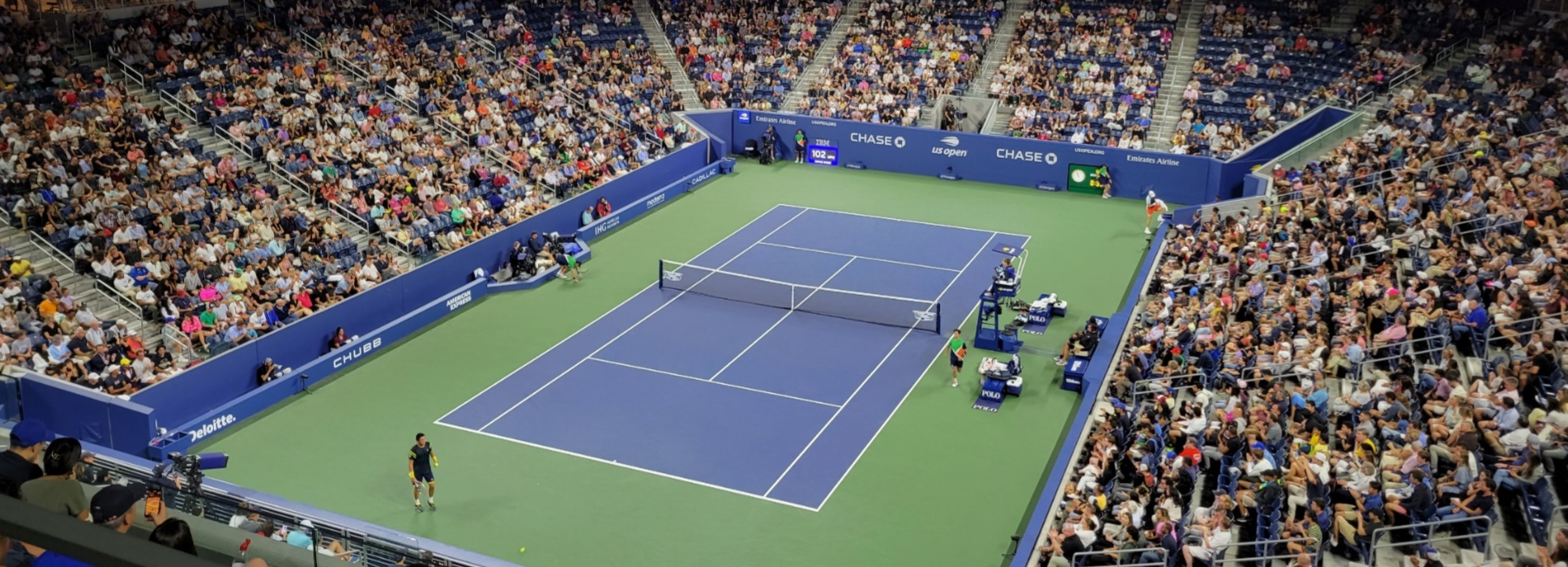
The French Open is over. Champions were crowned. Breakthrough stories emerged. Unexpected names made deep runs. By almost any measure, it was memorable.
And yet, I cannot shake one thought.
This French Open should never happen again.
Let’s talk tennis.


Before anyone misunderstands, this is not criticism of the players who advanced through the draw. Every competitor faced the same conditions. Every match still had to be won. The players deserve full credit for adapting better than everyone else.
My issue is not with the winners.
My issue is with the conditions becoming the story.
Over the last twenty years, tennis has gradually evolved toward consistency. Grass courts have slowed. Hard courts have become more uniform. Even clay courts play more similarly than they once did.
That was not an accident.
The sport wants its stars to thrive.
Fans want to see the biggest names competing deep into tournaments. They want rivalries. They want personalities. They want the best players in the world facing one another on the biggest stages. Tennis learned long ago that stars drive interest, television ratings, sponsorships, and ultimately growth.
The modern game was built around that reality.
When Conditions Become the Main Character
This year, however, something different happened.
The conditions became the main character.
Extreme heat. Dry clay. Unusual court behavior. Matches that often felt less about who could play the best tennis and more about who could best survive the environment.
Purists will love that.
There is certainly a romantic appeal to the idea that players must overcome whatever nature throws at them. Wind, heat, nerves, bad bounces, and changing conditions have always been part of tennis.
But there is another side to the argument.
The average fan does not tune in hoping to watch players struggle with the weather.
They tune in hoping to watch brilliance.
They want outrageous shot-making. They want athleticism. They want creativity. They want to see the best players in the world operating at the highest level the sport can produce.
When conditions become severe enough to fundamentally alter how players compete, the quality of tennis changes. Players become more conservative. Margins grow larger. Risk-taking disappears. The focus shifts from creating brilliance to simply avoiding mistakes.
That may identify a deserving champion, but it does not necessarily showcase the best version of the sport.

.jpg)
Tennis Already Built the Solution
The strangest part of this entire debate is that tennis has already solved the problem.
The roofs exist.
Modern Grand Slam venues spent enormous amounts of money constructing them. They were built specifically to protect competition from conditions that interfere with play.
Yet somehow tradition still seems to win the argument.
Why?
If wind reaches a level where it significantly affects shot-making, close the roof.
If temperatures become extreme enough to alter the quality of play, close the roof.
The purpose of a major championship should be simple: create the best possible environment for the best players in the world to perform at their highest level.
Everything else should be secondary.
Nobody buys a ticket hoping to see players fight the weather. They buy tickets hoping to see world-class tennis.
What Recreational Players Can Learn
There is still a valuable lesson for the rest of us.
Conditions matter.
Every club player has experienced it. A calm day becomes windy. A cool evening becomes hot and humid. Suddenly your timing changes, your confidence changes, and the match feels completely different.
The best players adapt.
That is exactly what happened throughout this tournament.
But adaptation and entertainment are not necessarily the same thing.
Tennis should absolutely reward players who can adjust. It should not allow the conditions to overwhelm the product itself.
First Ball Forehand Match Point
If tennis has spent decades making surfaces more consistent and building roofs to protect competition, then it should fully commit to that vision.
The goal should be simple: let the best players decide matches with their tennis, not the weather.
Source: Publicly available ATP/WTA reporting and season coverage.