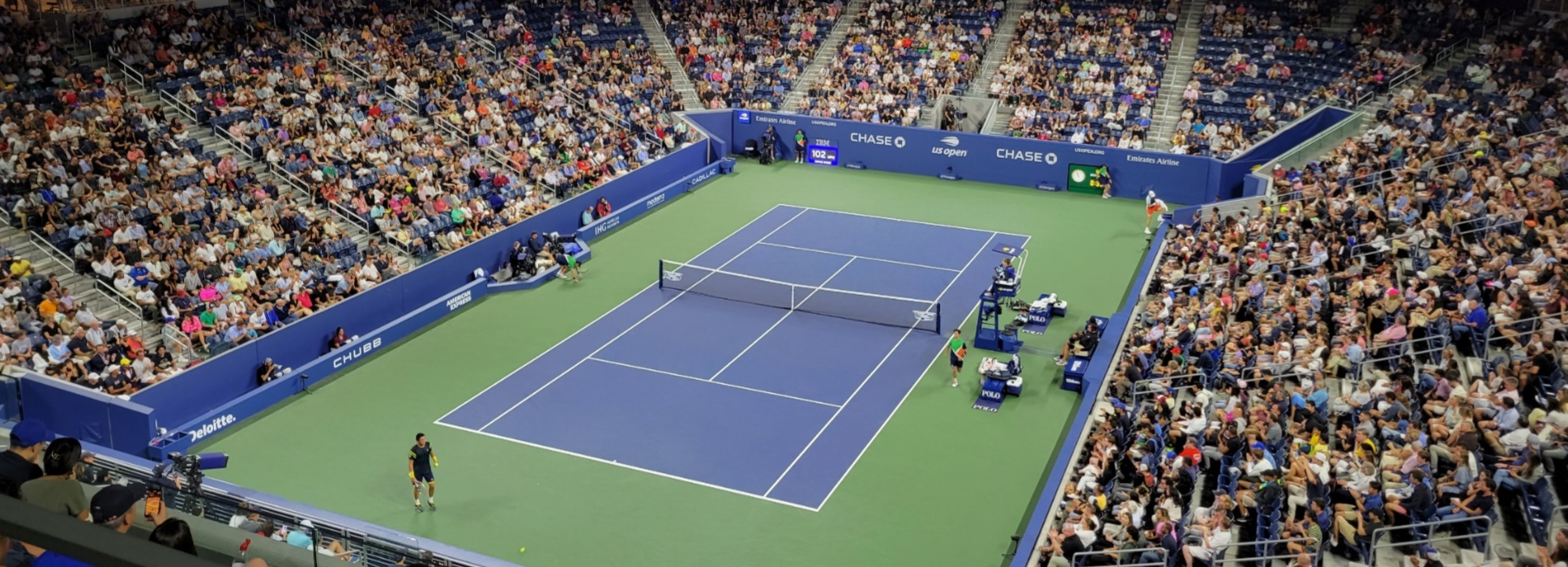
Alcaraz vs Djokovic — Australian Open Men’s Final
The Australian Open men’s final gave us something rare. It wasn’t just a match to decide a champion. It was a match that clarified where the sport is headed and, just as importantly, reminded us how extraordinary its greatest champion still is.
There are two distinct stories coming out of this final, and both deserve their own spotlight.
Let’s talk tennis.
The Celebration of Carlos Alcaraz
At just 22 years old, Carlos Alcaraz has now completed the career Grand Slam, becoming the youngest man in history to do it. That fact alone places him in a category reserved for legends, but the way he earned it matters just as much as the milestone itself.
Alcaraz doesn’t simply overpower opponents. He blends raw pace, touch, creativity, and relentless competitiveness in a way we haven’t seen since Federer, while bringing the physical intensity and competitive bite that defined Nadal. Against Djokovic, that full toolkit was on display.
What stood out most was not the winners or the highlights, but the problem solving. This was not a standard Djokovic. The patterns were different. The pace was different. The tactics were adjusted. Alcaraz recognized that and adapted in real time, finding ways to pressure Djokovic without forcing low-percentage tennis.
That ability to adjust mid-match is what separates great champions from great talents. Alcaraz didn’t panic. He didn’t rush. He trusted his variety and his legs, knowing that sustained pressure would eventually tilt the balance his way.
This is why he is so important for the sport. He doesn’t win one way. He wins the way the match demands. That is how records fall, and why many more will.

.jpg)
Djokovic Reinvented and Still Dangerous
If Alcaraz represented the future, Novak Djokovic represented something just as compelling: reinvention.
At 38, Djokovic no longer dominates through endless, grinding rallies the way he once did. Instead of fighting that reality, he has embraced it. His serving was more aggressive. His forehand was used with greater intent. He shortened points when possible and picked his moments to engage physically.
That evolution is not easy for all-time greats. Many resist it. Djokovic leaned into it.
His defeat of Sinner and his showing in this final made a clear statement: he can still beat the very best. Not occasionally. Not with luck. With intent and preparation.
And that matters in a broader conversation. There has been a growing narrative that Alcaraz and Sinner are already equal to or beyond the Big Three. This final pushed back on that idea in a meaningful way. Djokovic showed that even outside his physical prime, his understanding of the game and his mental strength remain unmatched.
If a prime Djokovic were dropped into today’s tour, the matchup problems he created for Federer and Nadal would still exist for today’s stars. That truth came into sharp focus here.
Djokovic didn’t just reach this final. He earned it. And in doing so, he proved something crucial: another major is still possible.


First Ball Forehand Match Point
This final wasn’t about passing the torch or clinging to the past. It was about excellence on both sides of the net. Alcaraz confirmed his place at the top of the sport. Djokovic confirmed that his story is not finished.
And for tennis fans, that’s a gift.
Source: Publicly available ATP reporting and season coverage.