WTA women’s tennis 2025 year in review
If you like chaos with your champagne, the WTA served up a vintage 2025. Five different women lifted the four Grand Slam trophies and the WTA Finals, and Aryna Sabalenka somehow still walked away as year-end No. 1—again. The year felt less like one dominant queen and more like a rotating throne: Madison Keys finally got her big moment in Melbourne, Coco Gauff conquered Paris, Iga Świątek turned Centre Court into a clay-court scoreline, Sabalenka defended New York, and Elena Rybakina crashed the season-ending party in Riyadh. It wasn’t orderly, but it was brilliant.


Australian Open – Keys finally cashes in
In Melbourne, Madison Keys turned a decade of “dangerous floater” into “Grand Slam champion.” The 29-year-old stunned two-time defending champion and world No. 1 Aryna Sabalenka 6–3, 2–6, 7–5 to win her first major. Keys had saved a match point against Iga Świątek in the semis, then swung freely in the final, cracking forehands and flattening backhands like she was still the fearless teenager everyone once anointed. It took her 46 Slam main draws to get there—but the tennis gods finally paid the tab.

.jpg)
Roland Garros – Gauff runs down Sabalenka on clay
Paris gave us the heavyweight duel we wanted: world No. 1 Sabalenka vs. world No. 2 Gauff for the 2025 French Open title. Trailing by a set, Gauff flipped the script and won 6–7(5), 6–2, 6–4 to grab her first Roland Garros and second major overall. She ended Sabalenka’s shot at a Serena-style hard-plus-clay double and proved her defense and counterpunching can stand up even to the tour’s biggest hitter on clay. It also snapped Iga Świątek’s insane 26-match Roland Garros win streak, which had ended in the semis.
2025 WTA season recap and the Sabalenka–Gauff–Swiatek triangle
Wimbledon – Świątek drops a double bagel on the grass
If you thought Iga Świątek was just a clay assassin, Wimbledon 2025 would like a word. The Pole demolished Amanda Anisimova 6–0, 6–0 in a 57-minute final to win her first Wimbledon and sixth Slam overall—only the third women’s major final in history to end in a double bagel. She became the first Polish player to win Wimbledon and joined the elite club of women with majors on clay, grass and hard courts. The message was simple: if she ever “had a weakness,” it’s gone now.


US Open – Sabalenka slams the door in New York
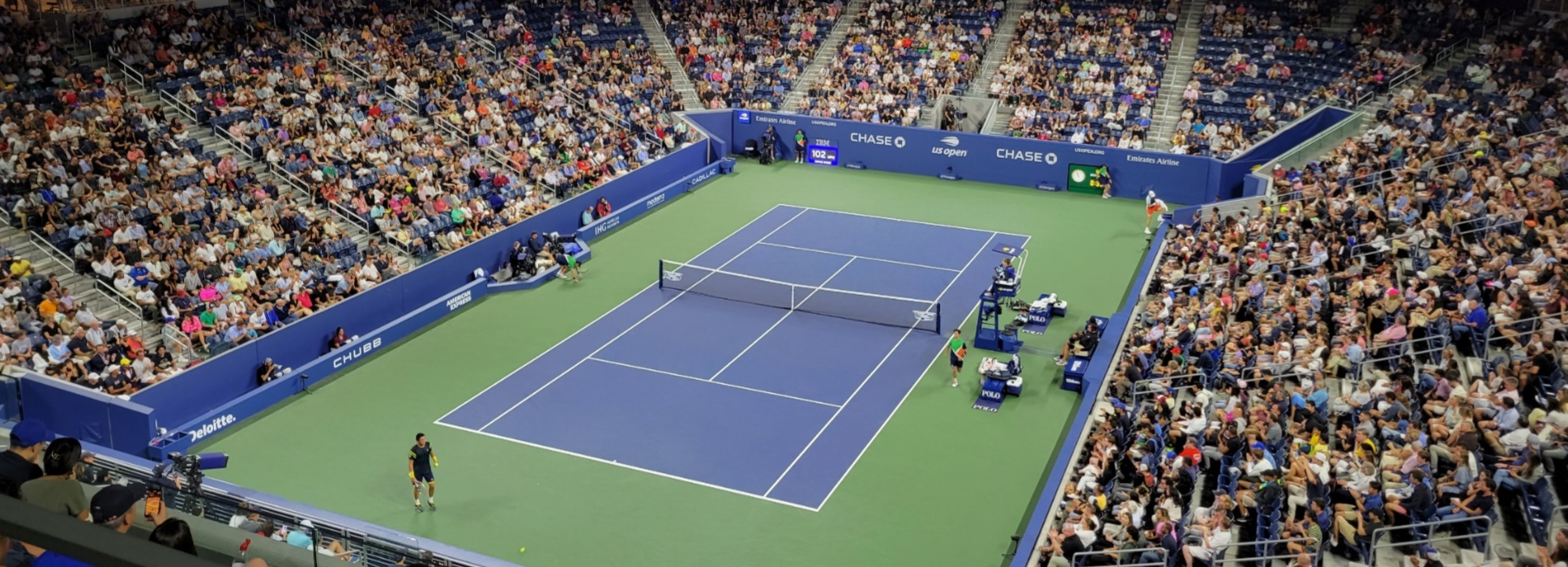
Then New York did what New York does: got loud and picked a fight. Sabalenka, after losing the finals in Melbourne and Paris, defended her US Open title with a 6–3, 7–6(3) win over Anisimova. She became the first woman since Serena Williams to go back-to-back in Queens and locked in four career majors, all on hard court. It was the payoff to a monster season: four titles, nine finals, and a tour-leading haul in wins, points and prize money.
Riyadh and year-end No. 1 – Rybakina’s last word, Sabalenka’s long game
The year ended in Riyadh, where Elena Rybakina stormed the WTA Finals, going 5–0 and beating Sabalenka 6–3, 7–6(0) for the biggest title and richest paycheck of her career. With 13 aces and 36 winners in the final, she flipped the script on the tour’s resident power merchant and reminded everyone her ceiling is still terrifying on a medium-pace hard court.
But the ledger at the top belonged to Sabalenka. She had already clinched year-end No. 1 before a ball was struck in Riyadh, finishing the season with four titles, three Slam finals and a second straight year on the ranking throne.
First Ball Forehand Match Point: If the ATP side gave us a two-man rivalry in 2025, the WTA gave us a triangle—with Rybakina crashing the party from the blind side. Keys, Gauff, Świątek, Sabalenka and Rybakina all took turns holding the mic. For 2026, that’s the fun: there is no single “boss” in women’s tennis—just a very crowded room at the top.
Sources: WTA; Australian Open; Roland Garros; Wimbledon; US Open; Olympics.com; ESPN; Reuters; The Guardian.